Pool Heat Pump Solutions for Lancaster, CA
When pool owners in Lancaster want longer swim seasons without the sticker shock of propane or electric resistance heating, a properly designed pool heat pump is often the smartest upgrade. In the Antelope Valley, where summer days can be intensely hot and winter nights can drop fast, the right system has to handle wide temperature swings, dusty conditions, and year-round sun exposure. Working Class HVAC delivers pool heat pump installation and repair in Lancaster with the kind of practical, local expertise homeowners need to keep water comfortable, efficient, and dependable.
From neighborhoods near Quartz Hill to homes closer to East Lancaster, pool systems in this region face a unique mix of valley heat, wind-blown dust, and mineral-heavy water conditions that can shorten equipment life if the system is not installed and maintained correctly. Whether you’re replacing an aging heater, building a new backyard retreat, or troubleshooting a pump that’s no longer keeping up, our approach is built around performance, longevity, and efficiency.
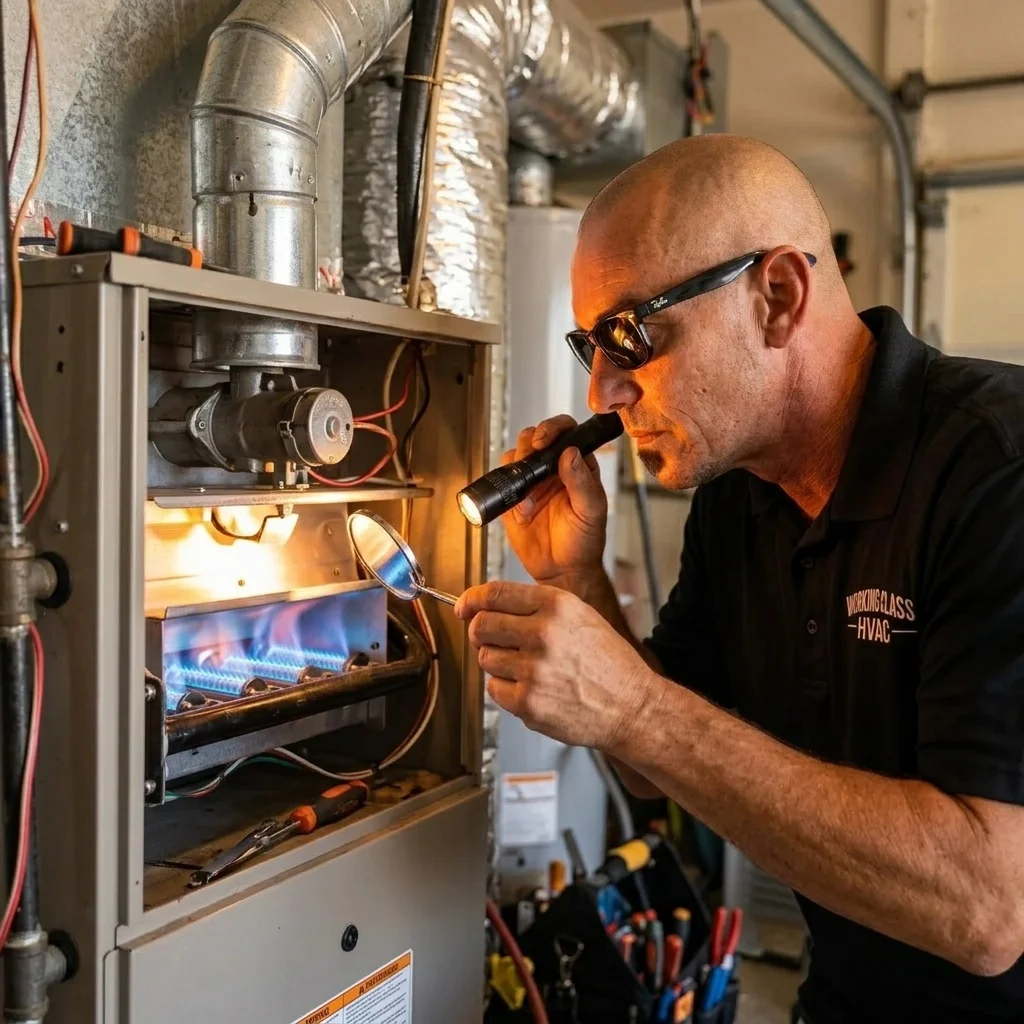
Why Lancaster Pool Owners Choose Heat Pumps
Pool heat pumps work differently than gas heaters. Instead of generating heat directly, they transfer ambient warmth from the air into your pool water. That makes them far more energy-efficient in a climate like Lancaster’s, where there is abundant warm air for much of the year. For homeowners in areas such as West Lancaster, near the Antelope Valley Freeway, or around the neighborhoods off Avenue K and 20th Street West, that efficiency can translate into significant savings over time.
Benefits that matter in the Antelope Valley
- Lower operating costs: Heat pumps can be much more efficient than traditional electric or gas alternatives.
- Longer swimming season: Enjoy more comfortable water in spring, fall, and cooler evenings.
- Stable temperatures: A properly sized unit keeps water more consistent than many quick-heat systems.
- Better environmental profile: Less fuel consumption means less waste and reduced emissions.
- Quiet operation: Ideal for backyard spaces near patios, outdoor kitchens, and neighborhood fences.
In Lancaster’s dry climate, pool owners also appreciate how a heat pump can be paired with a quality cover to retain warmth overnight. That matters when temperatures swing from warm afternoons to crisp desert evenings, especially in spring and fall when a pool can feel inviting one day and chilly the next.
Professional Pool Heat Pump Installation
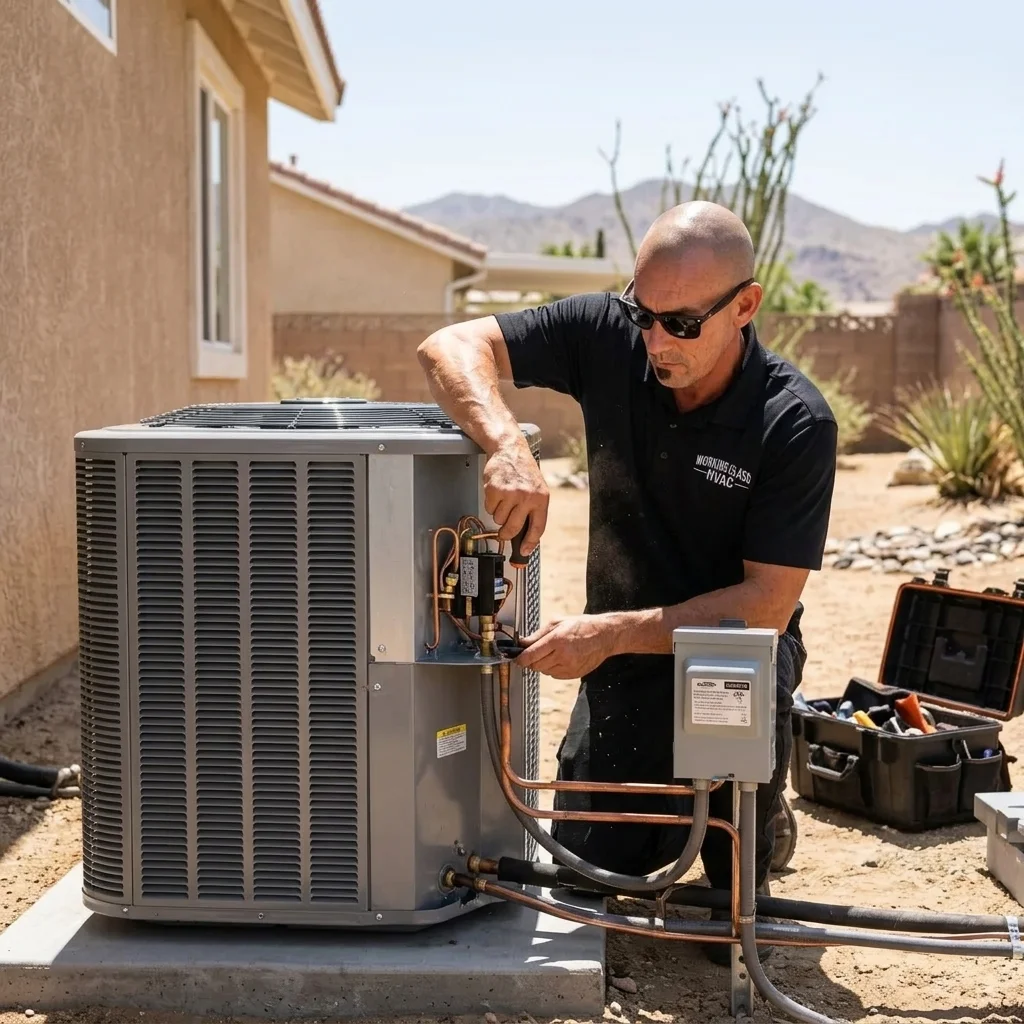
A heat pump is only as good as its installation. Sizing, placement, airflow, electrical requirements, and plumbing integration all affect performance. At Working Class HVAC, we install pool heat pumps with a focus on real-world conditions, not just manufacturer specs. That means evaluating how much direct sunlight your equipment pad receives, how wind moves across your property, and whether the unit has enough clearance to breathe in Lancaster’s dusty environment.
What a proper installation includes
- Load and pool analysis: We evaluate pool volume, usage habits, desired temperature range, and seasonal goals.
- Equipment selection: We recommend a unit with the right capacity and efficiency rating for your home.
- Site planning: Placement matters for airflow, service access, drainage, and noise control.
- Electrical coordination: Heat pumps require correct power supply and safe connections.
- Plumbing integration: We ensure the unit ties into your circulation system cleanly and efficiently.
- System testing: We verify startup performance, temperature rise, and operational stability.
Homes near the Sierra Highway corridor, around Lancaster Boulevard, or on larger lots closer to the open desert often have different pad layouts and wind exposure than tighter residential streets. We account for those differences so your heat pump can operate efficiently instead of fighting against poor placement or restricted airflow.
Pool Heat Pump Repair in Lancaster
Even a high-quality heat pump can develop issues over time, especially in a climate where dust, hard water, and heavy seasonal usage can stress components. If your unit is struggling to maintain temperature, short cycling, making unusual noises, or failing to start, prompt repair can often restore performance without full replacement.
Common signs your pool heat pump needs service
- Water is not warming as expected
- System runs constantly but delivers weak heating
- Error codes appear on the control panel
- Breaker trips or electrical issues occur
- Ice buildup or poor defrost behavior shows up during cooler weather
- Fans, compressors, or relays make abnormal sounds
- Airflow seems restricted by debris or dust accumulation
Because Lancaster experiences dry winds and frequent airborne dust, condenser coils can become dirty faster than many homeowners expect. That buildup reduces airflow and efficiency, making the system work harder than it should. In neighborhoods near the Antelope Valley College area, around The BLVD, or in more open residential zones exposed to desert wind, coil contamination is a common contributor to reduced output.
Repair solutions we provide
Our repair process starts with diagnosing the true cause of the problem. We look at refrigerant-related symptoms, airflow restrictions, electrical faults, sensor issues, flow switches, and control board failures. In some cases, a simple component replacement or cleaning service can restore full function. In others, a more comprehensive repair may be the best long-term choice.
“A pool heat pump should not be treated like a generic appliance. In Lancaster, the environment itself is part of the equation — heat, dust, wind, and seasonal temperature swings all affect performance.”
How Lancaster’s Climate Affects Pool Heating
Antelope Valley weather creates both opportunity and challenge for pool heating. On one hand, the region’s warm air makes heat pumps exceptionally effective through much of the year. On the other hand, cold nights, dry air, and dust exposure can reduce efficiency if the system is not selected and maintained properly. Homes near the edge of the Mojave influence, especially west of the city toward Quartz Hill or north toward open desert terrain, may experience stronger wind and greater temperature drop after sunset.
That means the best system for one Lancaster property may not be the best for another. A pool tucked into a sheltered backyard near trees and block walls may retain heat better than a more exposed pool on an open lot. Add in features like spas, waterfalls, and frequent weekend use, and the heating load can change significantly. Our job is to account for all of it so you get reliable comfort without overpaying for energy.
Heat Pump vs. Gas Heater: Which Is Better?
Many homeowners ask whether they should choose a heat pump or a gas heater. The answer depends on your priorities, but for many Lancaster residents, a heat pump offers a compelling balance of cost savings and steady performance.
| Feature | Heat Pump | Gas Heater |
|---|---|---|
| Operating cost | Typically lower | Typically higher |
| Heating speed | Slower, steady heating | Faster temperature rise |
| Efficiency | High in warm climates | Less efficient overall |
| Best use case | Extended season comfort | Quick occasional heating |
| Noise | Generally quiet | Varies by unit |
For homeowners in Lancaster who want dependable comfort for regular swimming, a heat pump often makes more sense. If you only need occasional rapid heating for a weekend gathering, a gas system may still have a role. In some properties, a hybrid strategy can be the best fit, but the decision should always be based on how you actually use your pool.
Maintenance That Protects Your Investment
Routine maintenance is essential if you want your pool heat pump to last and perform well. In the Antelope Valley, where dust and debris can build up quickly, preventive care can make a noticeable difference in efficiency and lifespan. Annual or seasonal service helps catch small problems before they turn into expensive repairs.
Recommended maintenance tasks
- Clean or inspect condenser coils
- Check airflow around the unit
- Inspect electrical connections and controls
- Verify proper water flow through the system
- Test temperature sensors and safety switches
- Look for corrosion, leaks, or worn components
For Lancaster homeowners near major routes like Highway 14, Avenue I, or the 138 corridor, wind and dust can be especially persistent. If your equipment pad is exposed, maintenance becomes even more important. A clean, properly serviced heat pump uses less energy and is less likely to fail when you need it most.
What Makes Working Class HVAC Different
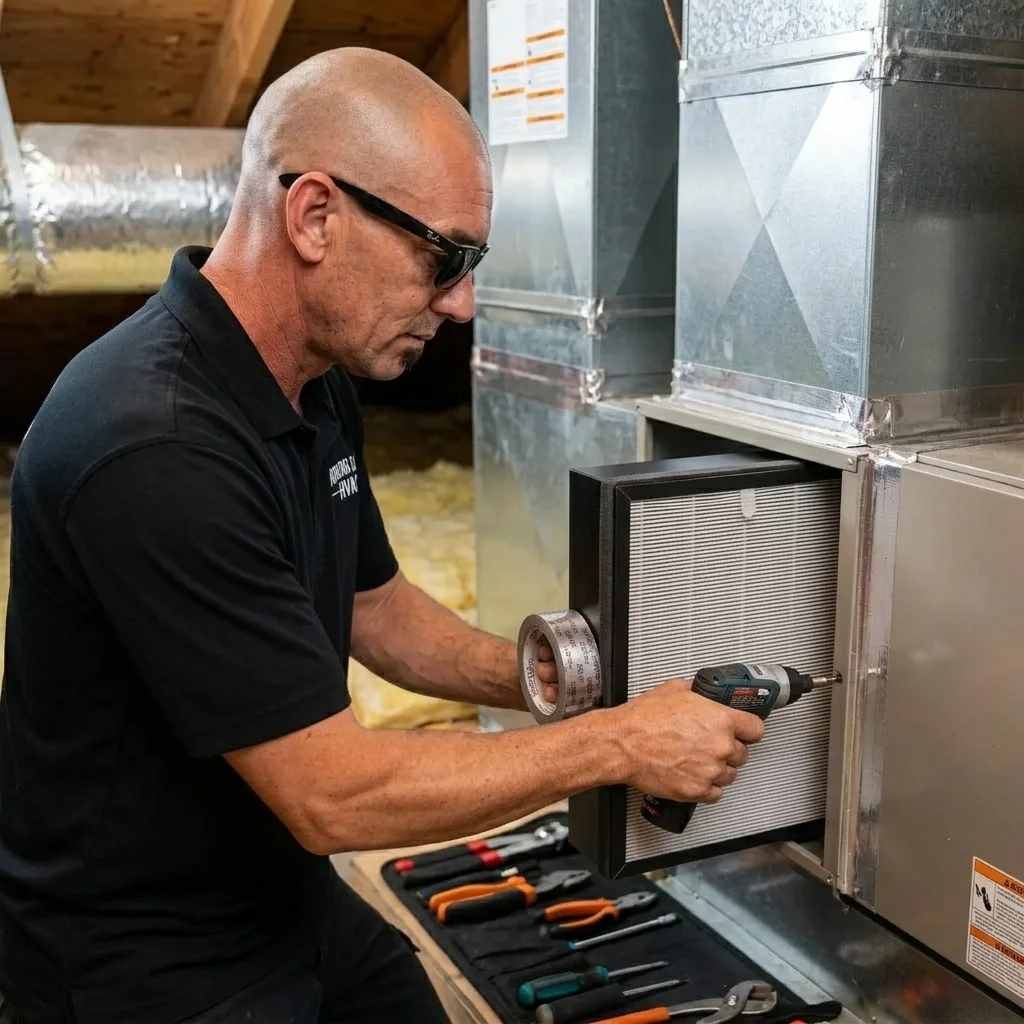
Working Class HVAC brings a practical, no-nonsense approach to pool heat pump installation and repair in Lancaster. We understand that homeowners want straight answers, reliable workmanship, and systems that actually perform in local conditions. Our recommendations are based on field experience, not guesswork, and we take the time to match each project to the property, usage pattern, and climate realities of the Antelope Valley.
Whether your home is near Lancaster National Soccer Center, close to Prime Desert Woodland Preserve, or in a quiet subdivision with wide-open backyard exposure, we tailor the solution to fit the space. That includes careful sizing, smart equipment placement, and honest guidance on repair versus replacement.
Frequently Asked Questions
Below are common questions Lancaster homeowners ask when exploring pool heat pump service.
How long does a pool heat pump installation take?
Most installations can be completed in a day, though the timeline depends on electrical work, plumbing adjustments, and equipment accessibility. More complex replacements or custom setups may take longer.
Can a heat pump work in cooler Lancaster weather?
Yes. Heat pumps are especially effective in moderate temperatures, and Lancaster’s climate allows them to perform well for much of the year. Performance can decrease on colder nights, which is why proper sizing and setup matter.
Why is my pool heat pump blowing air but not heating the water?
This can happen when there is a refrigerant issue, poor water flow, dirty coils, a failed sensor, or an electrical control problem. A professional diagnostic is the best way to determine the cause.
Do heat pumps need regular maintenance?
Yes. Like any HVAC-style equipment, they benefit from routine cleaning and inspection to maintain efficiency, especially in dusty desert conditions.
Is a pool heat pump worth it in Lancaster?
For many homeowners, yes. Lancaster’s warm climate and long swim season make heat pumps a strong choice for efficient pool heating, especially when paired with good maintenance and a cover.
Schedule Pool Heat Pump Service in Lancaster
If you need pool heat pump installation, replacement, or repair in Lancaster, Working Class HVAC is ready to help. We serve local homeowners with solutions designed for Antelope Valley conditions, from the sun-baked afternoons near downtown Lancaster to the windier, more exposed properties on the outskirts of town. Our goal is simple: deliver dependable pool comfort, lower energy waste, and lasting value.
When you want professional service backed by local experience, contact Working Class HVAC for a free estimate and discover how the right pool heat pump solution can transform your backyard.