The Ultimate Antelope Valley HVAC Blueprint
Living in the Antelope Valley demands a rugged, resilient HVAC system. Most homeowners across Quartz Hill, Lancaster, and Palmdale don't realize just how extreme our local climate swing actually is. In a single six-month window, your outdoor HVAC equipment will endure freezing winter nights dropping into the 20s, followed by relentless summer afternoons baking at 110°F. This massive thermal swing is incredibly stressful on mechanical components, belts, and electrical switches.
In this valley-wide maintenance blueprint, we break down exactly how you should prepare your air conditioner and your furnace for the extreme seasonal shifts of the High Desert.
The Spring Transition Strategy
Spring in the Antelope Valley is notoriously unpredictable. One week you are running your gas furnace to fight off a frost, and the very next week you are blasting the AC as temperatures hit 90°F. This transitional period is the absolute most critical time for your HVAC system.
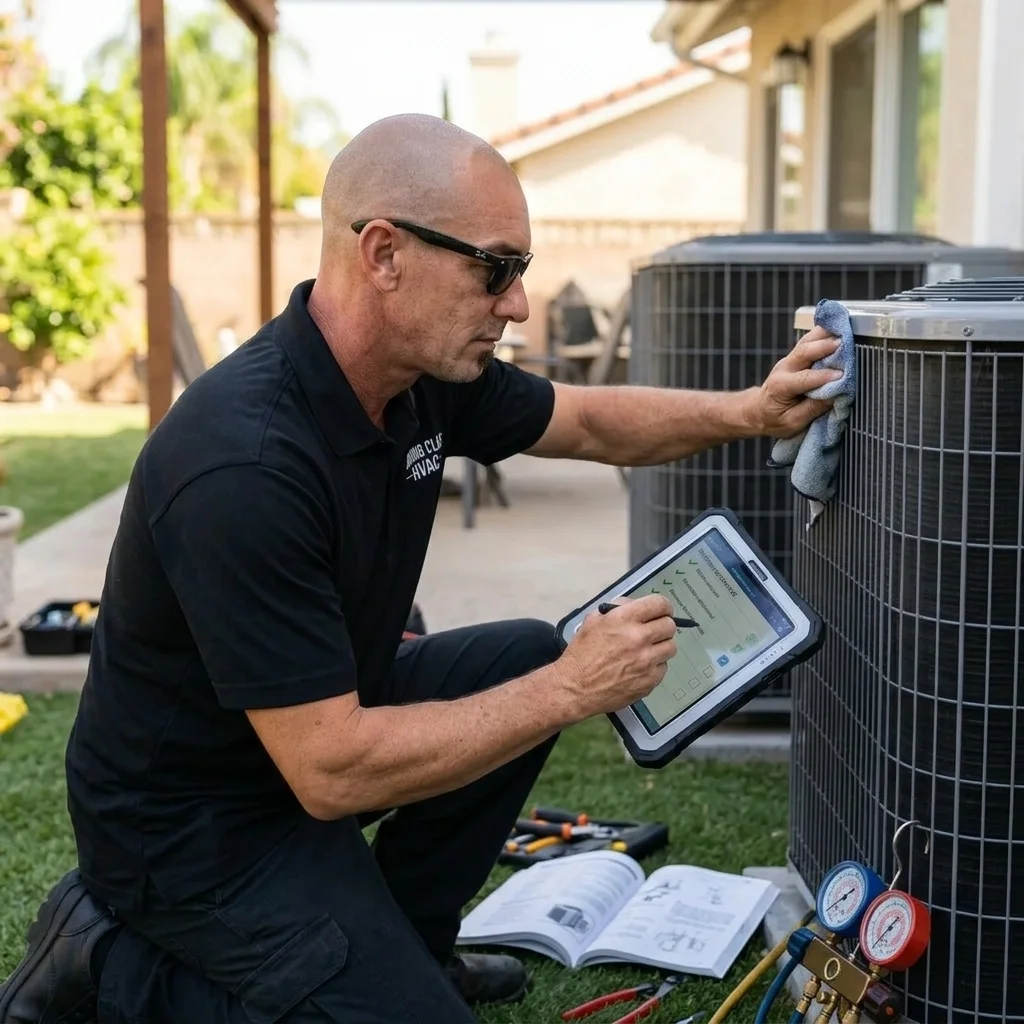
- Clear the Winter Debris: Heavy winter rains and high winds often pack wet dirt, leaves, and tumbleweeds tightly against your outdoor condenser. This must be cleared before you switch the AC on for the first time.
- Test the Contactor: After sitting completely idle all winter, the electrical contactor that fires up your outdoor compressor can seize up. A professional should test this relay before the heavy summer load hits.
- Check the Condensate Drain: The PVC drain pipe that removes water from your indoor coil can easily get clogged with winter dust. If not cleared, your AC will quickly overflow and flood your attic or hallway.
Winterizing Your Desert Home
When November rolls around, the focus shifts entirely to your heating system and safety protocols.
Carbon Monoxide Testing
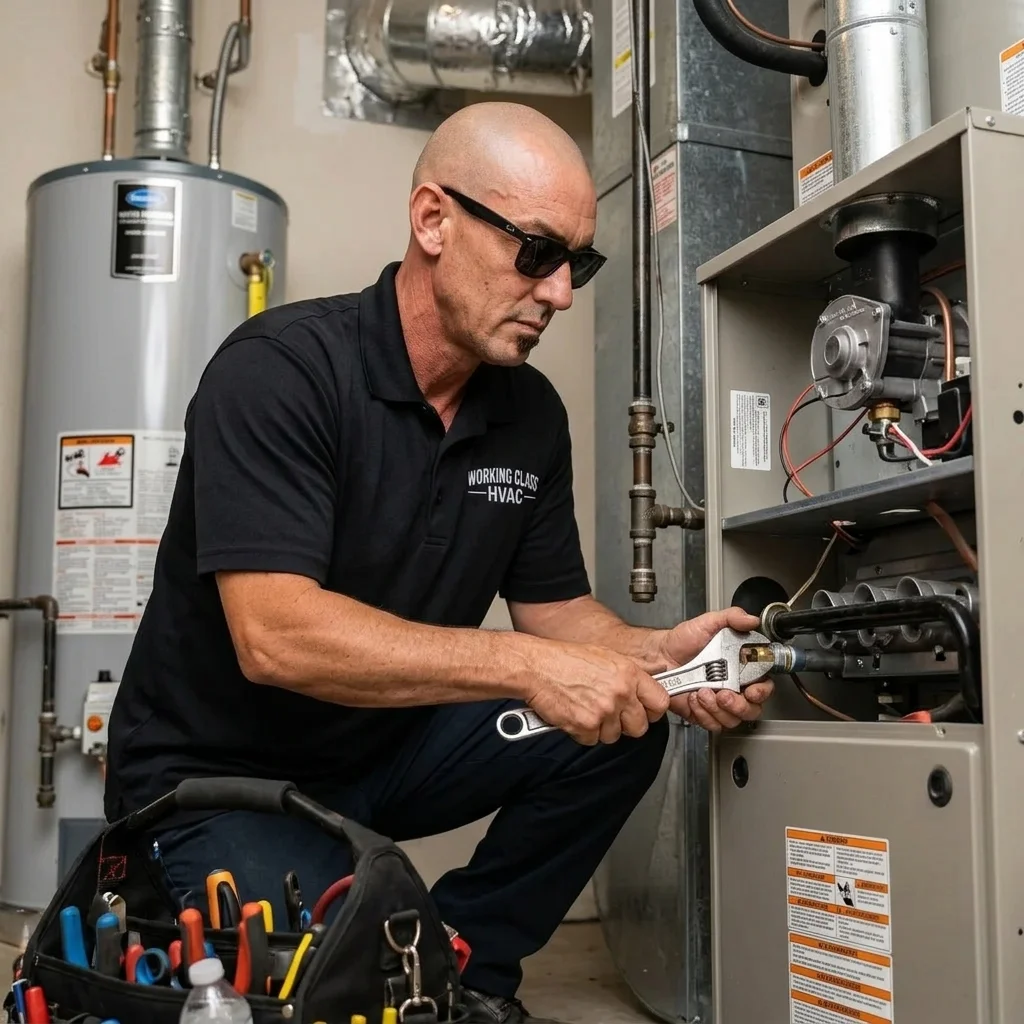
If you have an older natural gas furnace in your AV home, its metal heat exchanger expands and contracts every time it cycles. Years of this thermal stress can cause micro-cracks. When you turn on your heater for the first time in winter, it is absolutely essential to have a professional test for carbon monoxide leaks.
Propane System Checks
For residents in the rural outskirts of the valley (like Littlerock or Lake Los Angeles) who rely on propane, checking fuel lines and verifying pilot light integrity before the first deep freeze is a mandatory safety step.
"The Antelope Valley's massive temperature swings mean your HVAC system runs almost year-round. Skipping bi-annual maintenance doesn't just lower efficiency; it guarantees a catastrophic breakdown exactly when you need the system most."
Bi-Annual Professional Tune-Ups
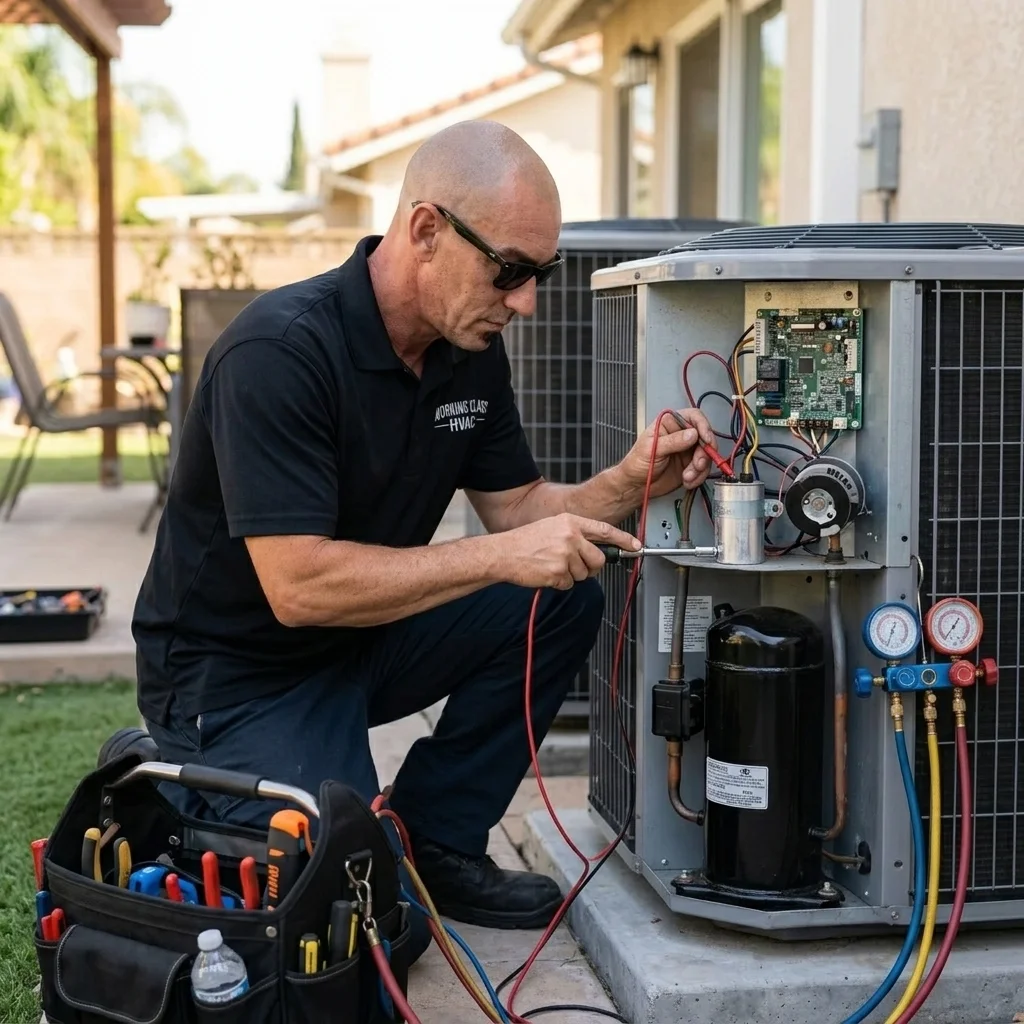
DIY filter changes are great, but surviving the Antelope Valley climate requires a professional touch. A licensed technician has the specialized tools to chemically clean impacted coils, test dual-run capacitors under load, and verify exact refrigerant pressures.
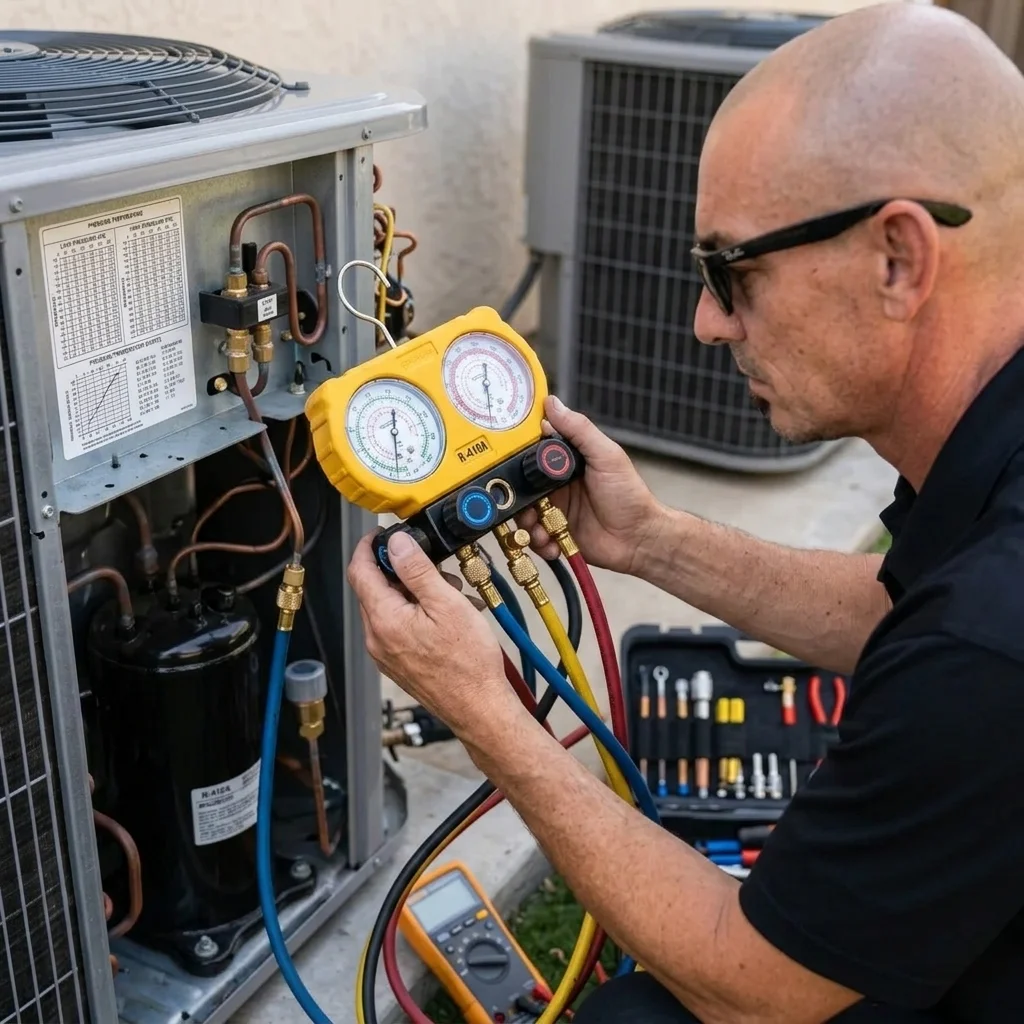
If you want a bulletproof HVAC blueprint for your home, contact Working Class HVAC. We offer affordable, comprehensive spring and fall maintenance plans designed specifically for the extreme conditions of the High Desert.
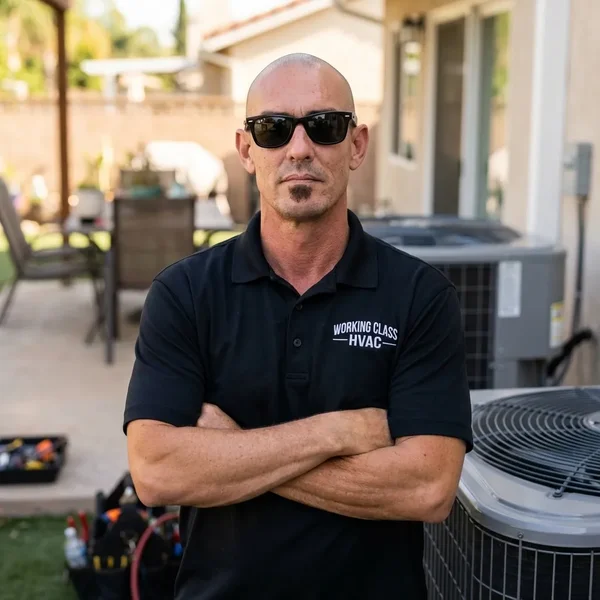
Need HVAC Service in the Antelope Valley?
From complex furnace repairs to full AC installations, Working Class HVAC has the expertise to keep you comfortable.
Request a Consultation