Fast Furnace Troubleshooting for Tehachapi's Alpine Winters
Unlike the valley floor, Tehachapi's elevation means winter isn't just chilly—it's freezing. When heavy snow hits Bear Valley Springs and temperatures drop into the teens, a malfunctioning furnace isn't just an inconvenience; it's a genuine emergency. Whether your home runs on a heavy-duty propane furnace or you rely on natural gas closer to downtown, losing heat on a 20°F night can lead to burst pipes and dangerously cold indoor conditions.
In this guide, we cover the exact troubleshooting steps you should take if your Tehachapi heating system suddenly fails during a blizzard.
The First 15 Minutes of a Breakdown
When you wake up shivering and realize the furnace isn't blowing hot air, don't panic immediately. Many "dead" furnaces in the mountain communities are actually safety lockouts triggered by simple, easily resolvable airflow issues or fuel supply interruptions. Before calling for a $200 emergency after-hours dispatch, check these baseline components.
- Check Your Propane Tank: If you live in Stallion Springs or Bear Valley, check your propane gauge first. Freezing weather causes propane to contract, sometimes leading to pressure drops that starve your furnace.
- Inspect the Exhaust Flue: Heavy snowfall can sometimes block roof exhaust flues. If your furnace's pressure switch senses a blocked flue, it will cut power to the burner immediately.
- Verify the Thermostat Batteries: A surprising number of "broken" furnaces are simply caused by dead AA batteries in the wall thermostat.
Common Tehachapi Furnace Failures
If the baseline checks didn't work, your system likely needs a professional hand. Here are the most common mechanical failures we see across the mountain.
Cracked Heat Exchangers
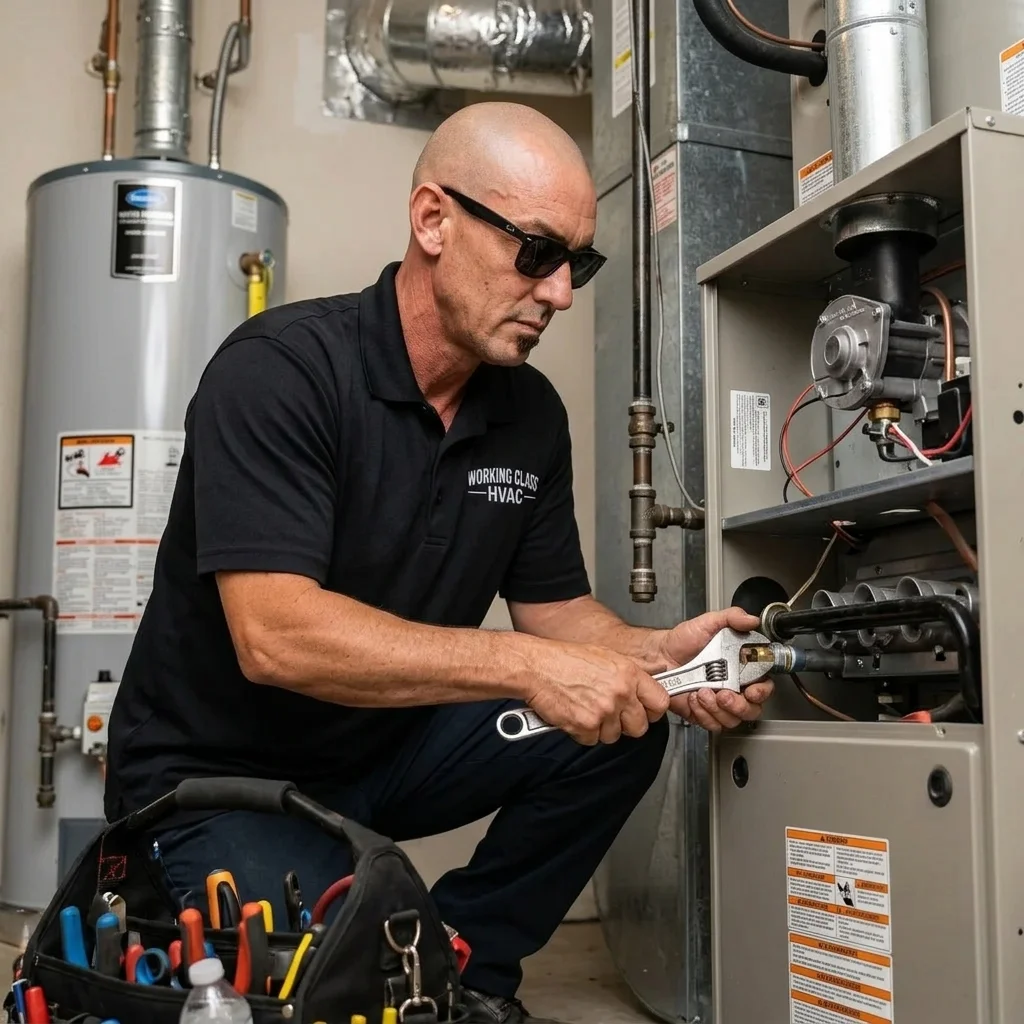
Because furnaces in Tehachapi run twice as hard and twice as long as units down in the valley, their metal heat exchangers undergo immense thermal stress. Over time, this metal can crack, leaking dangerous carbon monoxide into your home. This requires immediate shutdown and part replacement.
Failed Flame Sensors
If your furnace ignites, burns for 5 seconds, and then clicks off, you likely have a dirty or failed flame sensor. Dust and soot buildup prevents the sensor from detecting the flame, triggering a hard safety lockout.
"If you smell rotten eggs or a strong chemical odor near your furnace, you may have a natural gas or propane leak. Do not try to diagnose this yourself. Evacuate the house, leave the doors open, and call emergency services immediately."
Mountain-Ready Replacements
If your 20-year-old furnace has a cracked heat exchanger or a blown blower motor, it is usually far more cost-effective to upgrade to a modern, high-efficiency unit. Because Tehachapi winters are brutal, we highly recommend upgrading to a 90%+ AFUE condensing furnace, which extracts significantly more heat from the fuel you are burning.
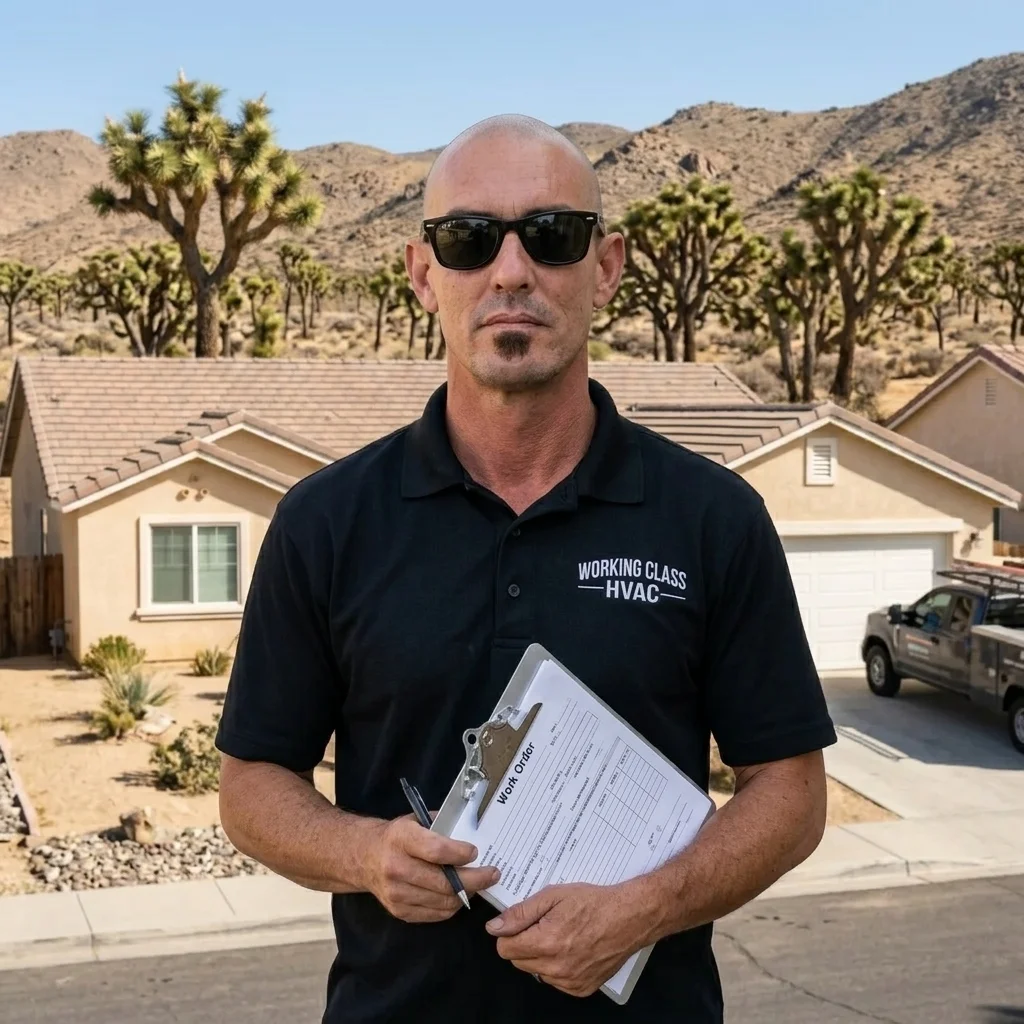
Whether you need emergency midnight heating repairs on a snowy mountain road or are looking to upgrade your entire HVAC system before winter hits, Working Class HVAC has the 4x4 trucks and the expertise to keep Tehachapi warm.
Need HVAC Service in the Antelope Valley?
From complex furnace repairs to full AC installations, Working Class HVAC has the expertise to keep you comfortable.
Request a Consultation