Navigating Extreme High Desert Temperatures
Living in the Antelope Valley means dealing with wild temperature swings—scorching triple-digit summers and freezing winter nights. Your home’s Heating, Ventilation, and Air Conditioning (HVAC) system isn't just about comfort; it's essential for survival and protecting your family from the elements.
This cornerstone guide, developed by the experts at Working Class HVAC, is designed to be your definitive resource for understanding, maintaining, and upgrading your HVAC system in Lancaster, Palmdale, and the surrounding high desert communities.
Table of Contents
1. Air Conditioning in the High Desert
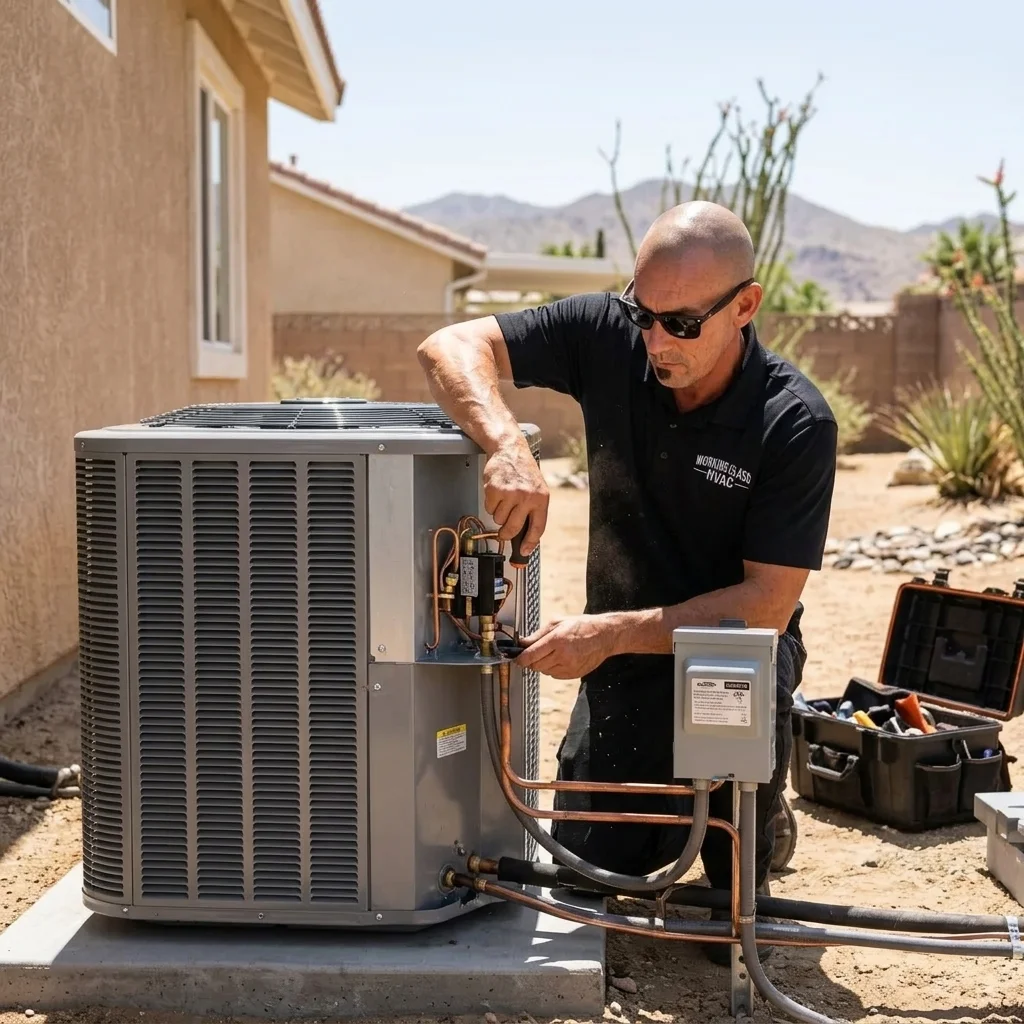
When summer hits the Antelope Valley, an underperforming air conditioner can quickly turn your home into an oven. Modern central air systems are complex machines that rely on the perfect balance of refrigerant, electrical components, and airflow to remove heat from your living space.
Sizing Your AC Unit Correctly
One of the biggest mistakes homeowners make when replacing an AC unit is assuming "bigger is better." In reality, an oversized air conditioner will cool your home too quickly—a process known as short-cycling. This prevents the system from running long enough to remove humidity from the air, leaving your home feeling cold but clammy. Conversely, an undersized unit will run constantly, driving up your energy bills and burning out components prematurely.
At Working Class HVAC, we perform strict Manual J Load Calculations to determine the exact tonnage your home requires based on square footage, insulation, window placement, and sun exposure.
Common AC Repairs and Breakdowns
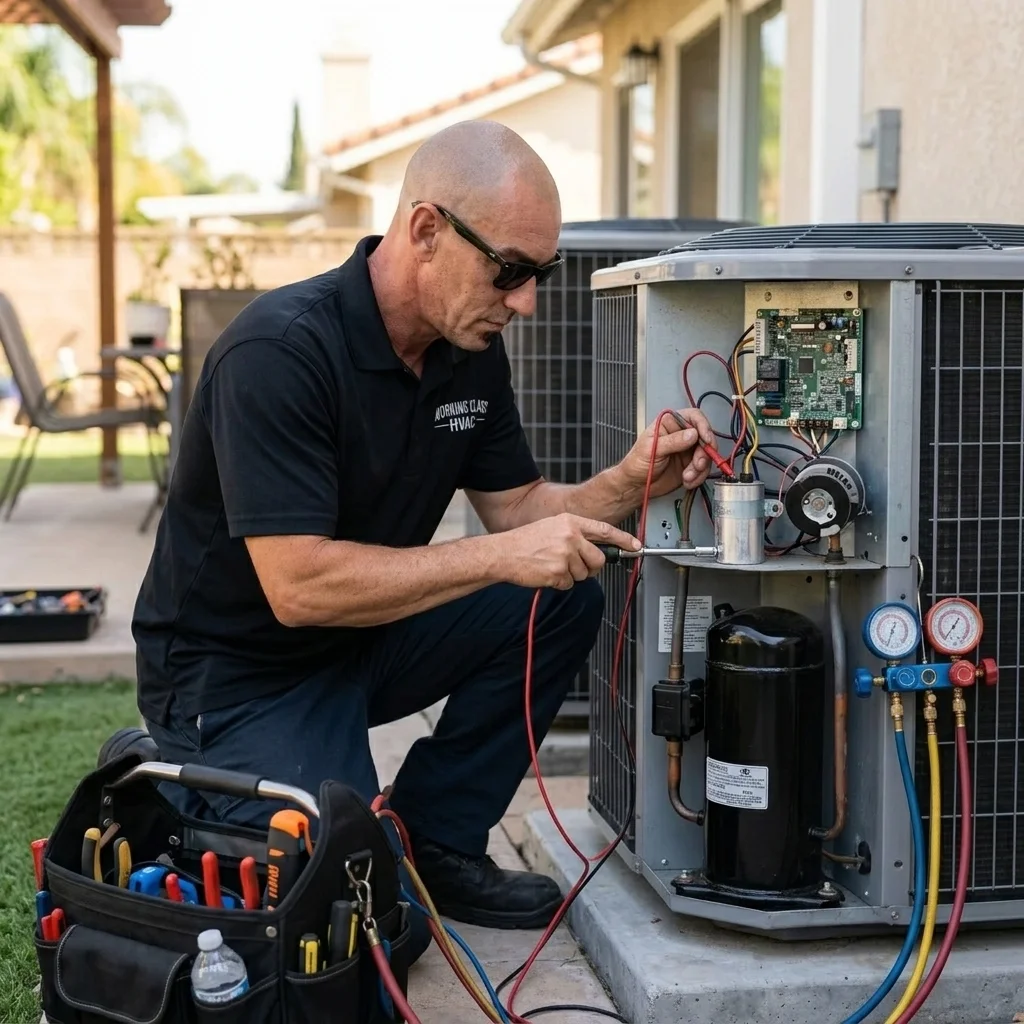
- Failed Capacitors: The intense desert heat causes capacitors (the batteries that jumpstart your motors) to swell and fail. This is the #1 cause of AC breakdowns in July and August.
- Refrigerant Leaks: If your system is blowing warm air or ice is forming on the evaporator coil, you likely have a leak. We pinpoint leaks using electronic sniffers and UV dye.
- Clogged Condensate Drains: Dust and algae can clog the drain line, causing water to back up and potentially damage your ceiling or floors.
"Catching a failing capacitor early can save you from a complete compressor burnout, saving you thousands of dollars in emergency replacements."
2. Heating Solutions for Cold Nights
It's easy to focus on cooling, but Antelope Valley winters can bring freezing temperatures. A reliable heating system is crucial.
Gas Furnaces
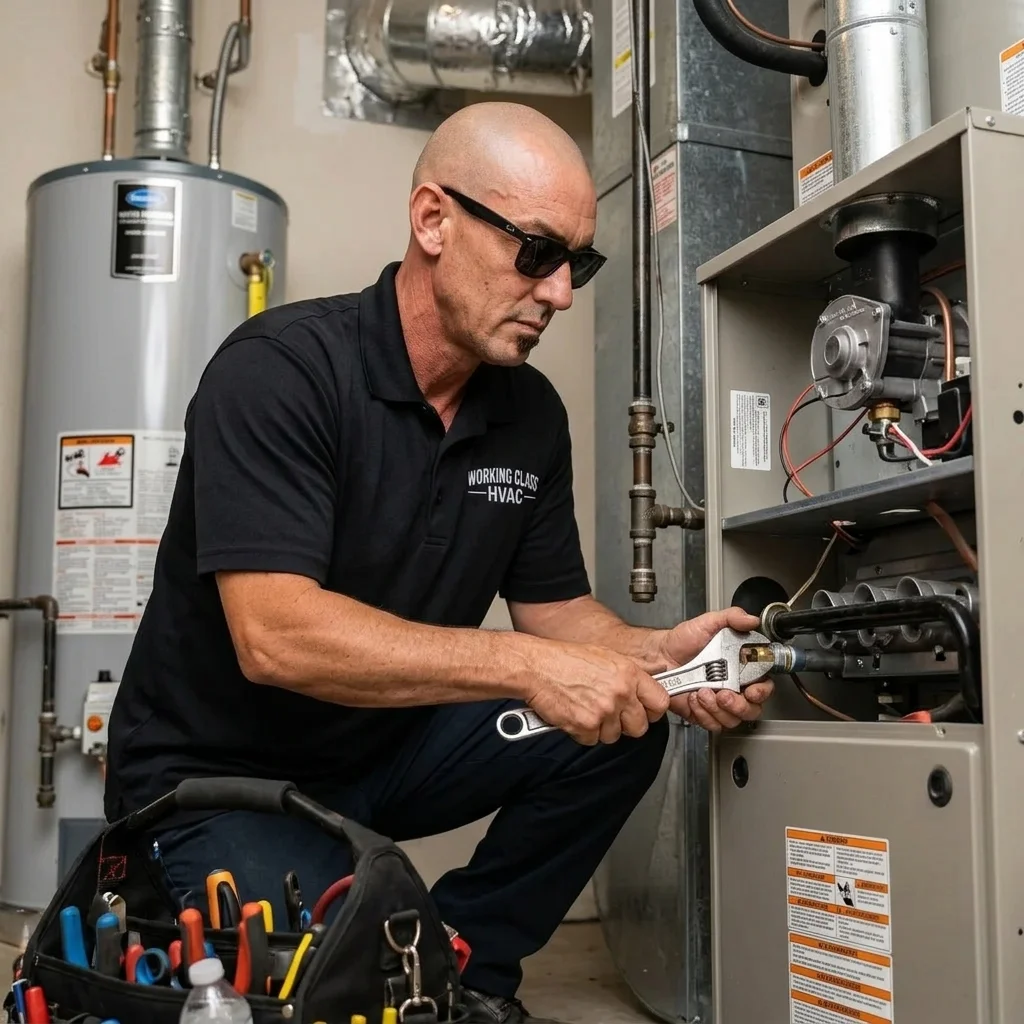
Natural gas furnaces remain the most popular heating choice in our area. They deliver powerful, consistent heat quickly. However, because they burn combustible fuel, safety is paramount. Cracked heat exchangers can leak carbon monoxide into your home, which is why annual fall furnace inspections are a non-negotiable safety requirement.
The Rise of Heat Pumps
Heat pumps offer a highly efficient, all-electric alternative. Unlike furnaces that burn fuel to generate heat, heat pumps simply transfer heat from the outside air into your home (even when it's cold outside). During the summer, they reverse the process, acting exactly like an air conditioner.
3. The Importance of Routine Maintenance
The foundation of any healthy HVAC system is routine maintenance. Without it, filters clog, coils freeze, and motors burn out prematurely.
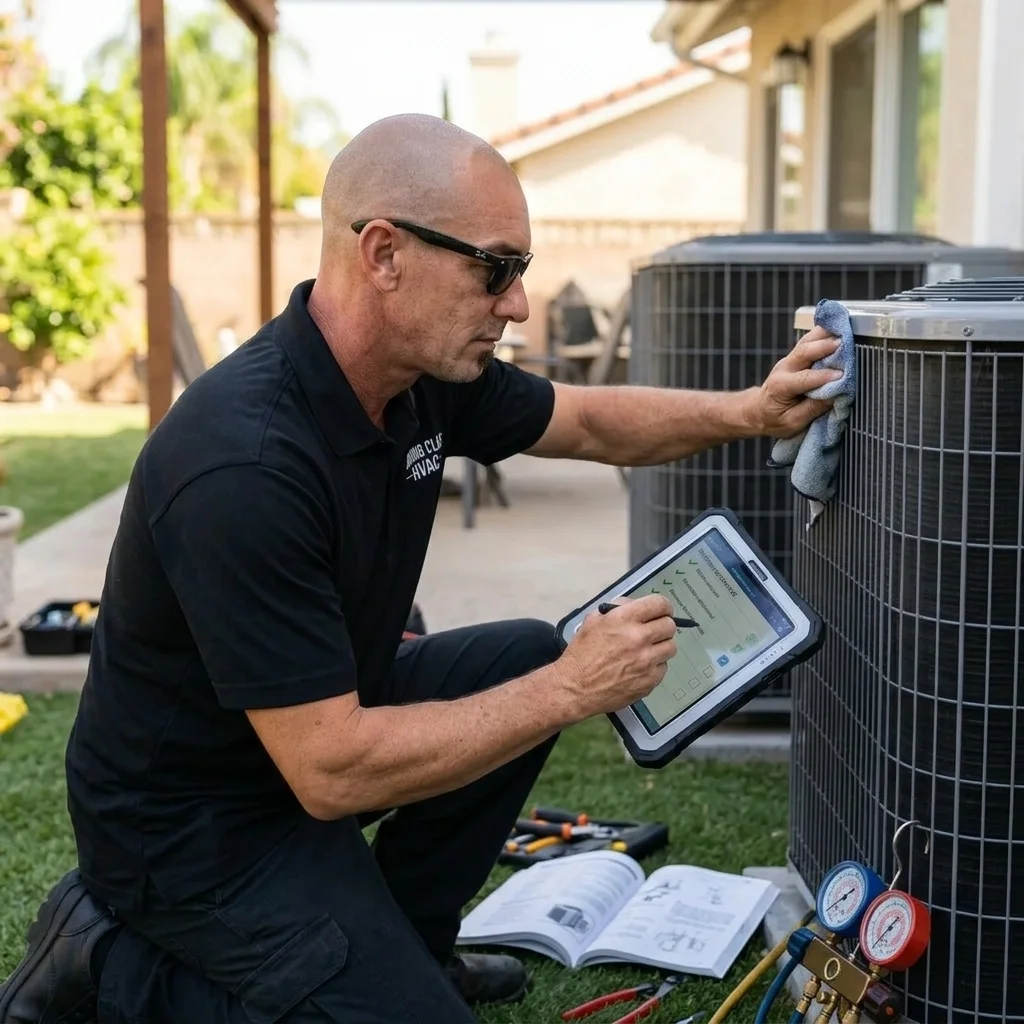
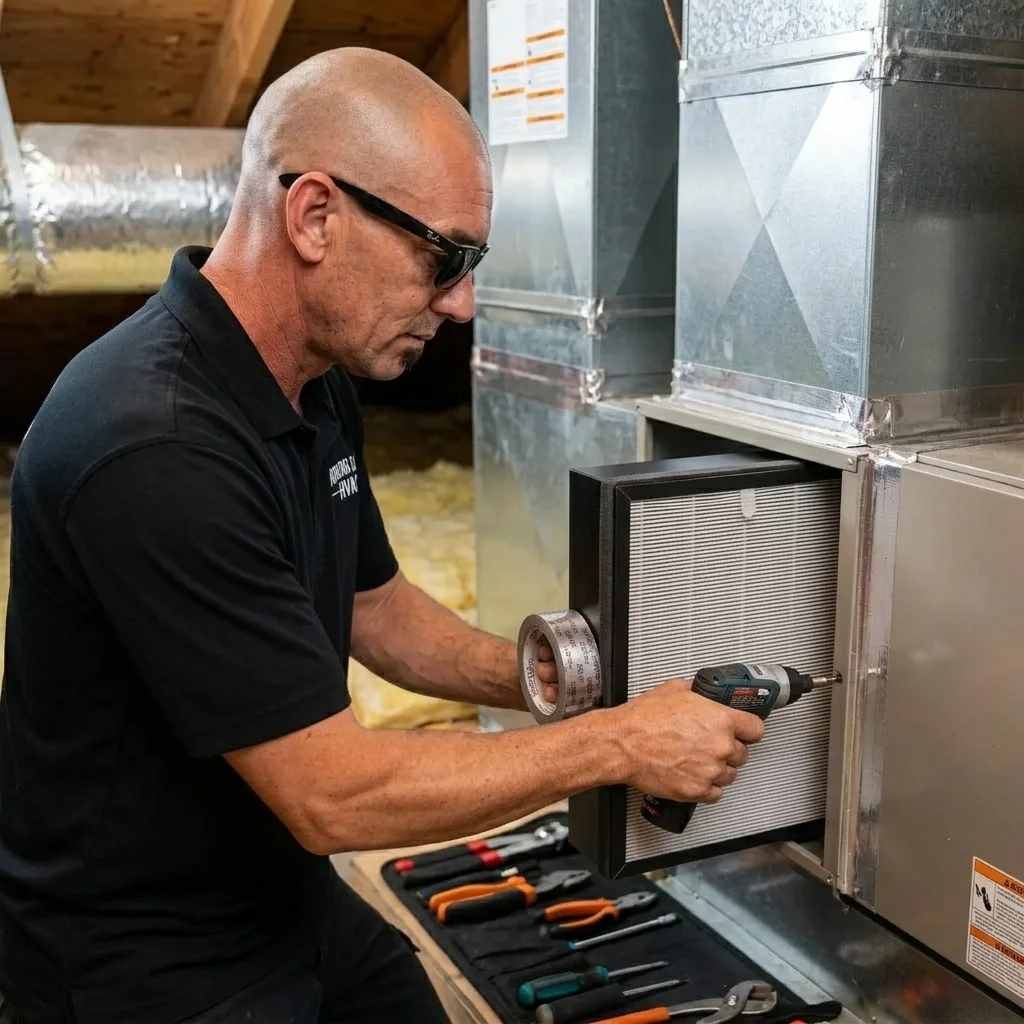
- Filter Replacement: Check your filters every month and replace them every 90 days at minimum. In our dusty environment, high-efficiency MERV filters are recommended.
- Coil Cleaning: Dirt acts as an insulator, preventing your evaporator coil from absorbing heat effectively.
- Electrical Connections: Vibration and heat expansion can loosen electrical connections, leading to shorts and melted wires. We tighten and inspect all high-voltage connections.
4. Mastering Indoor Air Quality (IAQ)
The Antelope Valley is notorious for high winds, dust, and allergens. Your HVAC system plays a critical role in filtering out these pollutants. If your family suffers from allergies, consider upgrading beyond basic 1-inch filters. UV germicidal lights, whole-home air purifiers (like the REME HALO), and deep duct cleaning can drastically reduce the number of particulates circulating through your living space.
5. Frequently Asked Questions
How long should an AC unit last in the Antelope Valley?
Due to the extreme summer temperatures and dusty conditions, a well-maintained AC unit in our area typically lasts 12 to 15 years. Neglected systems often fail much sooner, around the 8 to 10-year mark.
Is it cheaper to leave my AC running all day?
No. Leaving your AC running all day when you aren't home wastes energy. Instead, use a programmable or smart thermostat to raise the temperature by 5-8 degrees while you are away, and have it cool down shortly before you return.
Why does my furnace smell like burning dust when I turn it on?
This is common during the first use of the winter season. Dust settles on the heat exchanger over the summer and burns off when the unit fires up. The smell should dissipate within an hour. If it persists, or smells like burning plastic or wires, shut the system off immediately and call for service.
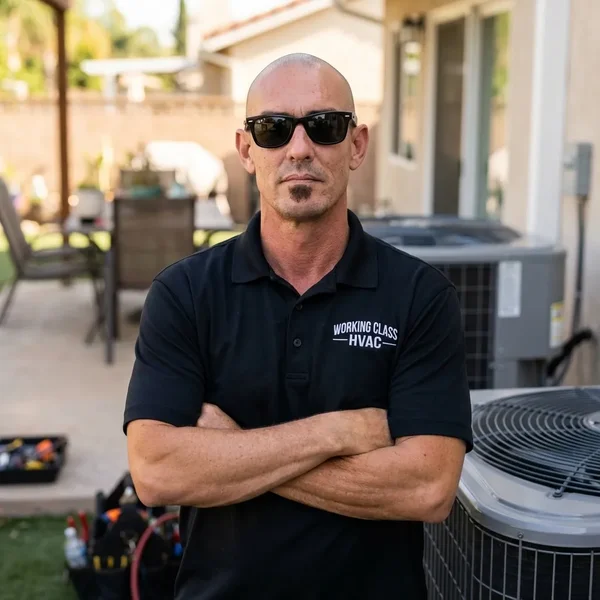
Need HVAC Service in the Antelope Valley?
From complex furnace repairs to full AC installations, Working Class HVAC has the expertise to keep you comfortable.
Request a Consultation