Av Indoor Air Quality Handbook
If you are looking for a practical, high-authority guide to indoor air quality in the Antelope Valley, this handbook is built for the realities of living and working in a high-desert climate. From Lancaster and Palmdale to Quartz Hill, Rosamond, Acton, and Littlerock, the indoor air challenges here are not the same as in coastal or humid regions. Dust, wind-driven particulates, wildfire smoke, HVAC strain, and wide temperature swings all shape how clean, breathable, and comfortable your indoor environment feels.
Indoor air quality is not just about comfort. It affects sleep, allergies, asthma, energy levels, odor control, and the long-term health of your HVAC system. In communities along Highway 14, the 138, and the 5 corridor, homes and businesses often battle a unique combination of desert dust, dry air, and seasonal smoke. That means a generic air quality approach is rarely enough. You need a strategy that matches local conditions, building materials, and daily use patterns.
Why Indoor Air Quality Matters in the Antelope Valley
Indoor air can be more polluted than outdoor air, especially when a structure is tightly sealed but poorly ventilated. In the AV, that problem is amplified by dust infiltration from open terrain, stucco homes that still allow fine particulate entry, and HVAC systems that may run heavily during summer heat or cold desert nights. If you live near the Sierra Highway corridor, in newer developments off Avenue S, or in wind-exposed areas near open acreage, particles can accumulate quickly.
Good indoor air quality supports three major goals:
- Health: fewer allergy symptoms, less irritation, and better respiratory comfort.
- Efficiency: cleaner systems move air better and often consume less energy.
- Comfort: balanced humidity, reduced odors, and more consistent temperatures.
What makes the AV different?
The Antelope Valley is defined by dry heat, strong winds, low humidity, and dusty conditions that can change by the hour. Summer heat around Palmdale can push cooling systems hard, while winter evenings in Acton or Littlerock may bring cold, dry air that makes nasal irritation worse. Add in wildfire smoke drifting through the region during peak fire season, and you have a local indoor air equation that requires active management, not passive hope.
Common Indoor Air Quality Problems in AV Homes and Buildings
Whether you own a single-family home near Rancho Vista, manage a commercial space in central Lancaster, or operate a small office close to Valley Central Way, the same major indoor air issues tend to show up again and again.
1. Dust and fine particulate buildup
Windblown dust is one of the most common complaints in the region. It enters through door gaps, attic penetrations, older ductwork, and everyday foot traffic. Over time, this material settles into vents, filters, furniture, and carpet fibers.
2. Poor HVAC filtration
Many systems in the AV are equipped with filters that are either too low-rated for local conditions or replaced too infrequently. A low-quality filter may protect equipment somewhat, but it will not capture enough fine dust, pollen, or smoke-related particles to meaningfully improve indoor air quality.
3. Low humidity
Desert air can be extremely dry. That dryness contributes to irritated eyes, scratchy throats, static electricity, and increased discomfort during sleeping hours. It can also make wood floors, trim, and furnishings more vulnerable to drying and cracking.
4. Smoke infiltration
During wildfire events, even distant smoke can travel into the valley and linger. Homes near open land, canyons, or elevated wind channels can experience noticeable air quality drops, especially if windows or doors are not tightly sealed.
5. Odors and VOCs
Paints, adhesives, cleaning agents, stored chemicals, and off-gassing from furniture can create lingering odors. In warm AV conditions, these compounds may become more noticeable because heat can intensify emissions.
“The best indoor air quality strategy in the Antelope Valley is not one product. It is a layered system: filtration, ventilation, sealing, and maintenance working together.”
How to Improve Indoor Air Quality in the Antelope Valley
An effective indoor air quality plan should be built around the actual climate and building conditions you live with every day. The following steps create a strong foundation for homes, rental properties, offices, and light commercial buildings across the AV.
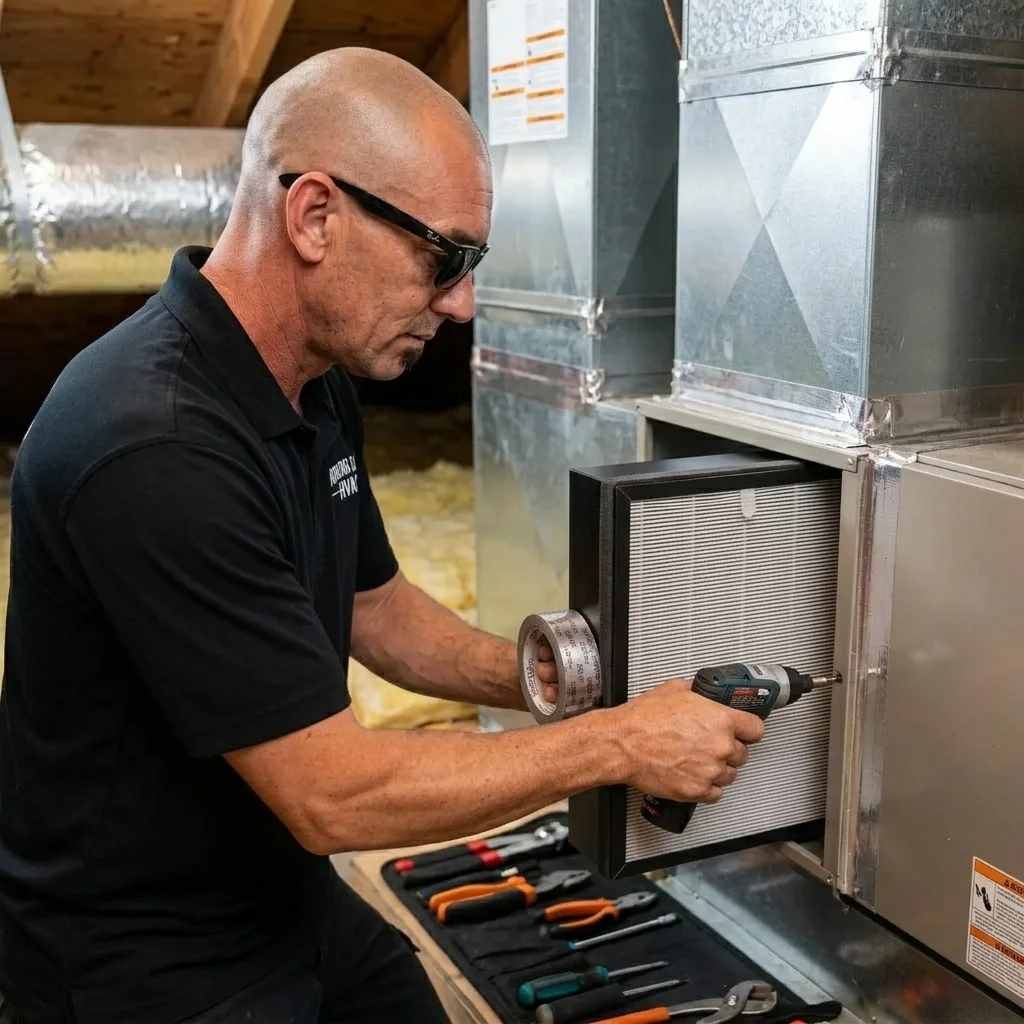
- Upgrade filtration: Use a filter that matches your HVAC system’s capacity, ideally one that captures fine particulates without over-restricting airflow.
- Replace filters consistently: In dusty areas, monthly checks are often smarter than waiting for a generic schedule.
- Seal air leaks: Weatherstrip doors, seal attic gaps, and address duct leaks to reduce dust intrusion.
- Ventilate strategically: Use fresh air when outdoor conditions are favorable, but limit ventilation during smoke events or high-dust wind days.
- Control humidity: Aim for a balanced indoor humidity level that reduces dryness without creating moisture problems.
- Clean source points: Vacuum with a HEPA-rated machine, dust regularly, and clean vents, returns, and registers.
Choose the right filter for desert living
In a place like Lancaster or Palmdale, filtration matters more than most people realize. If your system can handle it, a higher-efficiency filter may capture significantly more dust and airborne contaminants. But there is a balance: the filter must be compatible with your equipment. A filter that is too restrictive can reduce airflow and make your system work harder, especially during peak summer demand off Avenue K, Elizabeth Lake Road, or near the commercial corridors around East Palmdale.
HVAC Maintenance and Indoor Air Quality
Your HVAC system is the backbone of your indoor air environment. If it is dirty, undersized, leaky, or poorly maintained, indoor air quality will suffer no matter how many air fresheners or portable units you use. In the AV, HVAC maintenance is especially important because systems often run long hours to combat heat, dust, and temperature fluctuations.
Key HVAC tasks that protect air quality
- Inspect and replace filters on a regular schedule.
- Clean evaporator coils and blower components.
- Check ducts for leaks, gaps, and insulation issues.
- Verify thermostat performance and airflow balance.
- Make sure condensate drainage is clear to help prevent moisture problems.
Older homes in areas like Quartz Hill or Littlerock may have ductwork that has not been evaluated in years. If ducts are leaking, they can pull dusty attic air into the system, undermining every other air quality effort. In newer homes, the issue may be over-sealing without adequate ventilation, which can trap odors and stale air indoors.
Signs Your Indoor Air Quality Needs Attention
You do not need a lab report to notice warning signs. The symptoms often show up in everyday life first.
| Symptom | What It May Indicate | Common AV Trigger |
|---|---|---|
| Frequent sneezing or congestion | Dust, pollen, or smoke exposure | Windy days and poor filtration |
| Dry eyes or throat irritation | Low humidity or particle load | High-desert air and long HVAC runtime |
| Persistent odors | VOCs, stale air, or ventilation issues | Closed-up homes during hot weather |
| Excess dust on surfaces | Air leakage or weak filtration | Wind exposure near open land |
| More asthma flare-ups | Airborne irritants and poor air exchange | Smoke events and fine particulates |
Best Practices for Homes, Rentals, and Offices
Indoor air quality priorities vary depending on the building type. A family home in Rancho Vista has different needs than a storefront near downtown Lancaster or an office near Palmdale Boulevard. Still, the core principles remain the same.
For homeowners
Focus on filtration, sealing, and routine cleaning. Keep doors and windows closed during high-wind events. Clean return grilles, replace filters on schedule, and consider a portable HEPA purifier for bedrooms. If your home has pets, carpet, or a lot of foot traffic, dust control becomes even more important.
For landlords and property managers
Residents notice poor air quality quickly, especially in older units or buildings with aging duct systems. Proactive HVAC servicing, duct inspections, and moisture checks can reduce complaints and help protect property value. In rental pockets across the AV, a well-maintained air system can be a major differentiator.
For commercial spaces
Employees and customers both benefit from stable, clean indoor air. Offices, salons, medical spaces, and retail locations should pay attention to ventilation rates, filter quality, occupant density, and odor sources. If your building sits near a busy roadway like the 14 freeway, outside contamination may be more noticeable and should be addressed through better sealing and filtration.
Simple Seasonal Strategy for AV Air Quality
The best indoor air plan in the Antelope Valley changes with the season. Summer brings heat and long HVAC cycles. Fall can bring dust and smoke. Winter often means dry air and closed windows. Spring may trigger pollen and wind events. A seasonal approach keeps you ahead of the problem.
Summer
Check filters more often, keep windows closed during hot windy afternoons, and monitor airflow from your AC system. If rooms feel stuffy, inspect returns and vents for dust buildup.
Fall
This is often smoke season. Limit outdoor air intake when smoke is present, seal gaps around doors and windows, and use air purification in high-use rooms.
Winter
Dry air becomes the main concern. Maintain comfortable humidity, avoid overusing harsh chemical cleaners, and watch for static or irritation that may indicate overly dry indoor conditions.
Spring
Wind and pollen can spike. Keep entrances clean, vacuum regularly, and replace filters before peak dust events arrive.
FAQ: Av Indoor Air Quality Handbook
How often should I replace HVAC filters in the AV?
In dusty Antelope Valley conditions, many homes benefit from checking filters monthly and replacing them more often than standard national guidance suggests. If you live near open terrain or deal with pets and heavy HVAC use, you may need a tighter schedule.
Does a portable air purifier really help?
Yes, especially in bedrooms, nurseries, or offices where you spend long periods of time. A HEPA-rated purifier can reduce fine particles and complement your central HVAC system.
What is the biggest indoor air problem in Lancaster and Palmdale?
Dust and fine particulate matter are usually the most persistent issues, followed by smoke infiltration during fire season and low humidity during dry weather.
Can sealing my home improve indoor air quality?
Absolutely. Proper sealing reduces dust infiltration, improves HVAC efficiency, and helps stabilize indoor comfort. Just be sure sealed homes still have adequate ventilation.
Should I be worried about indoor air if my house looks clean?
Yes. Air quality problems are often invisible. A clean-looking room can still have poor filtration, stale air, smoke particles, or VOC buildup.
Final Takeaway
The Antelope Valley demands a smarter, more local approach to indoor air quality. Between dusty winds, dry desert air, wildfire smoke, and heavy HVAC use, homes and businesses in Lancaster, Palmdale, Quartz Hill, Rosamond, Acton, and surrounding communities need a system—not a guess. The best results come from combining strong filtration, regular maintenance, better sealing, strategic ventilation, and seasonal awareness. When those pieces work together, indoor spaces feel cleaner, healthier, and more comfortable all year long.